- Your cart is empty
- Continue Shopping


₹3,000.00Current price is: ₹3,000.00.₹3,500.00 Original price was: ₹3,500.00.
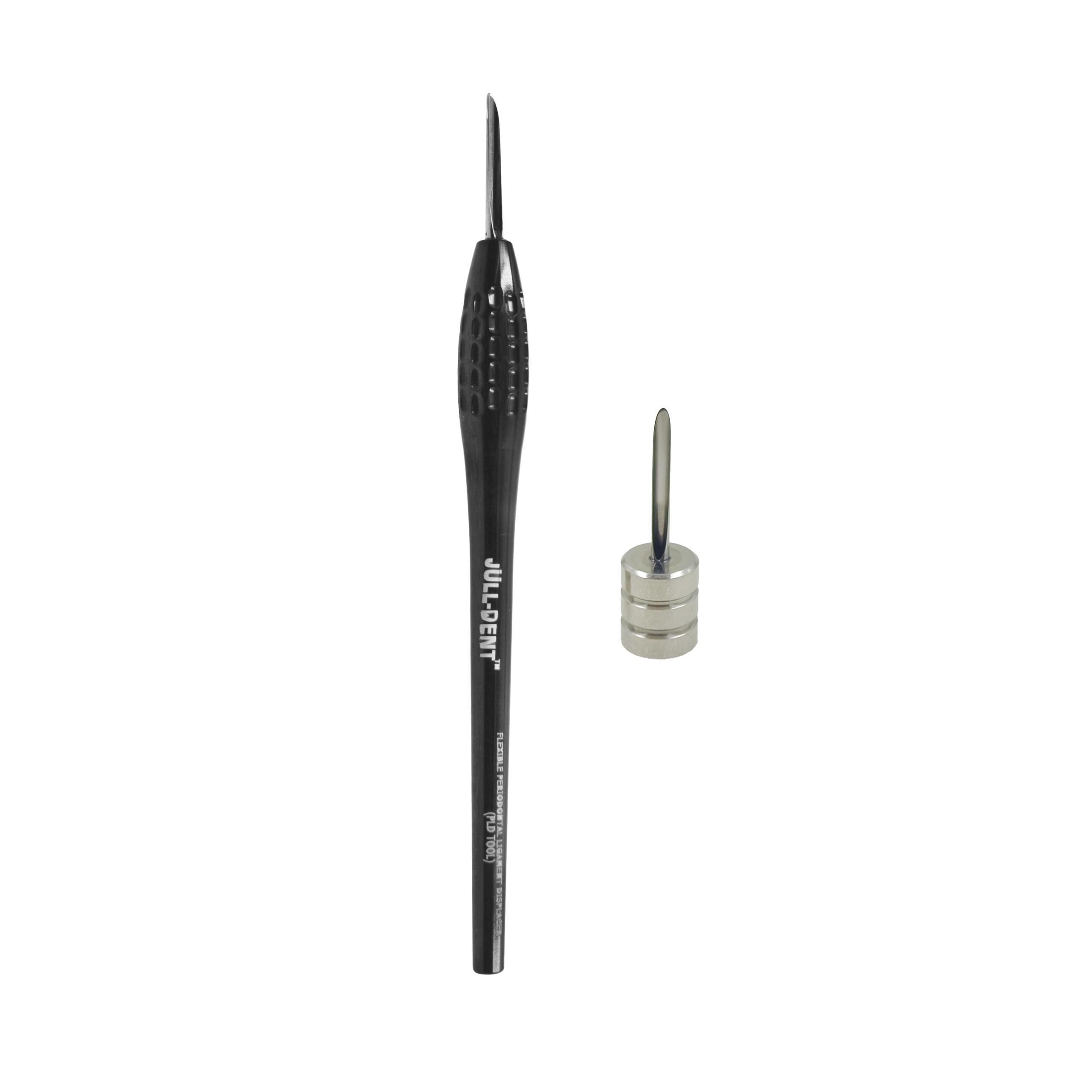
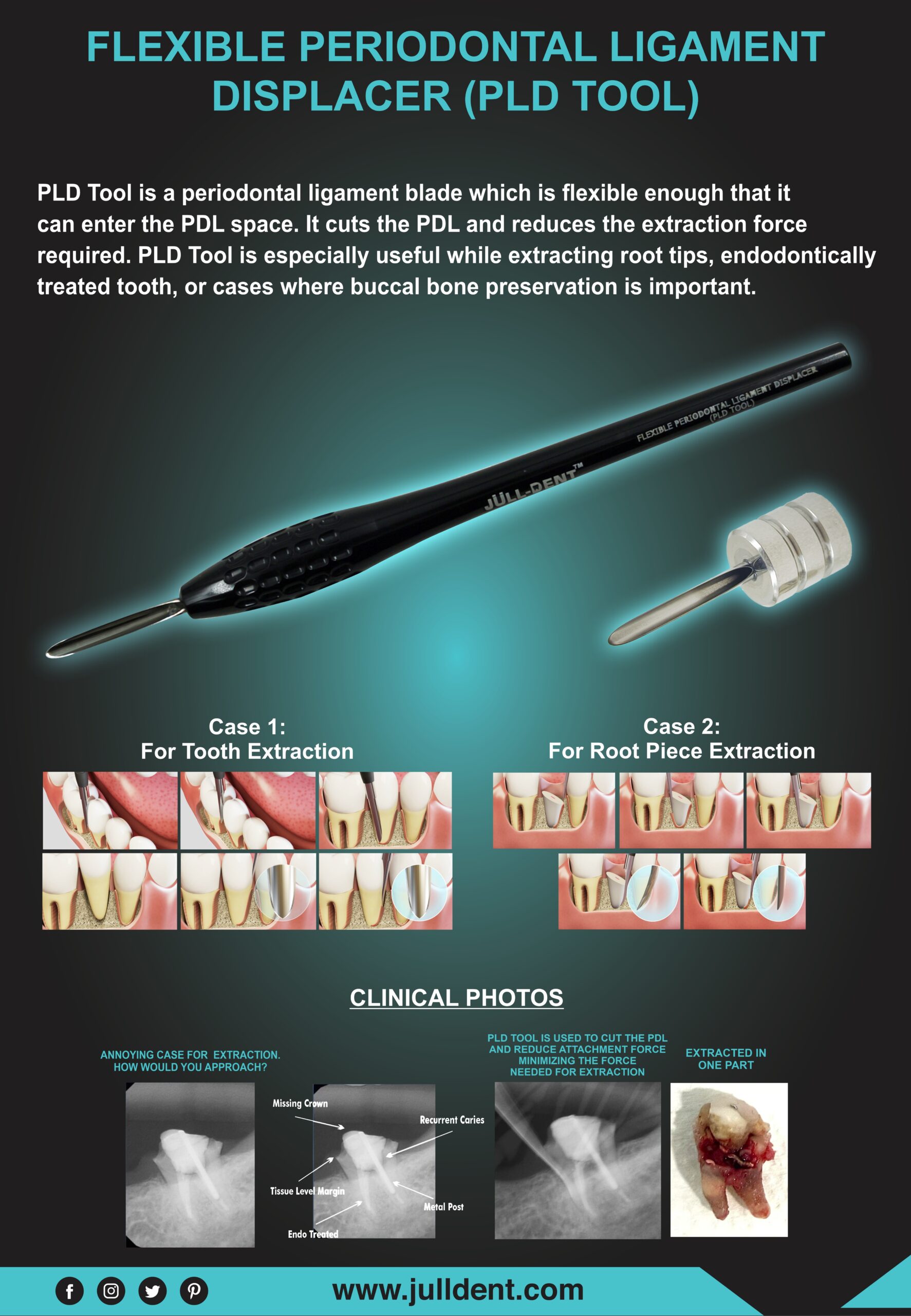
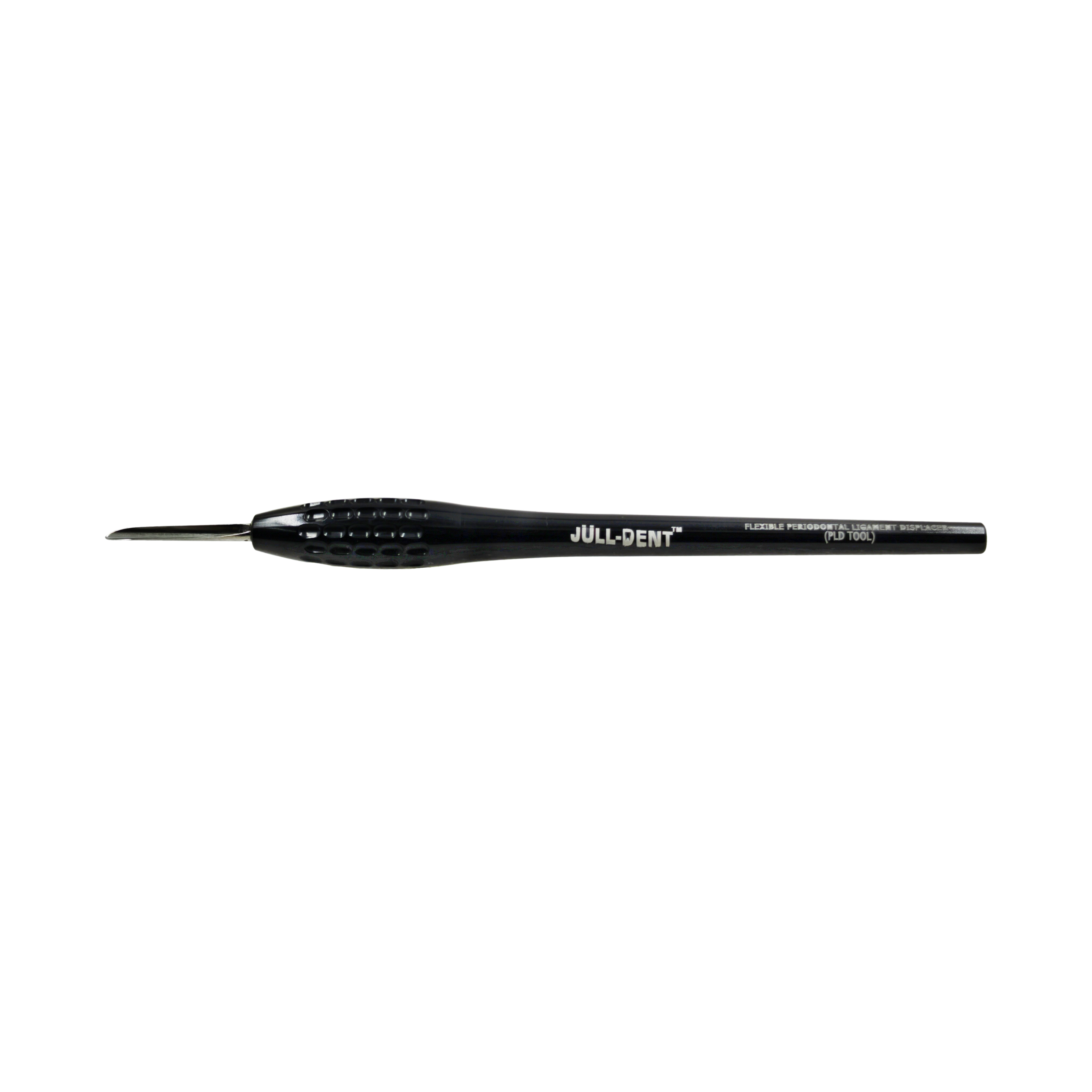
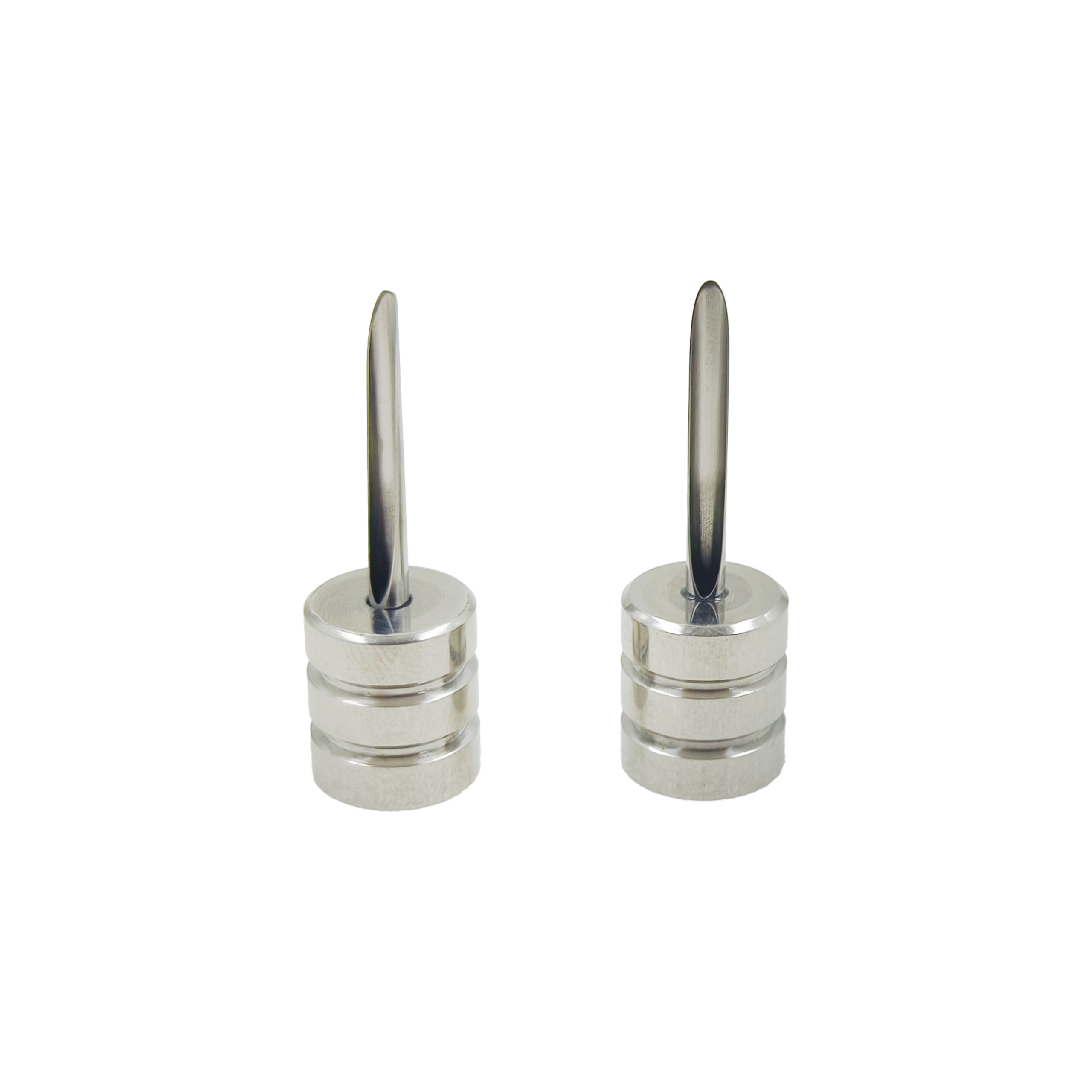
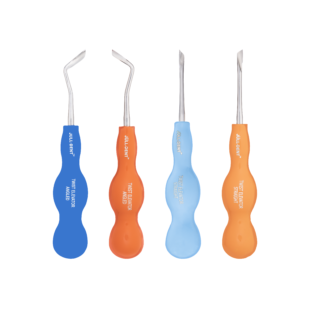
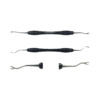
Flexible Periodontal Ligament Displacer (PLD Tool)
Julldent 210
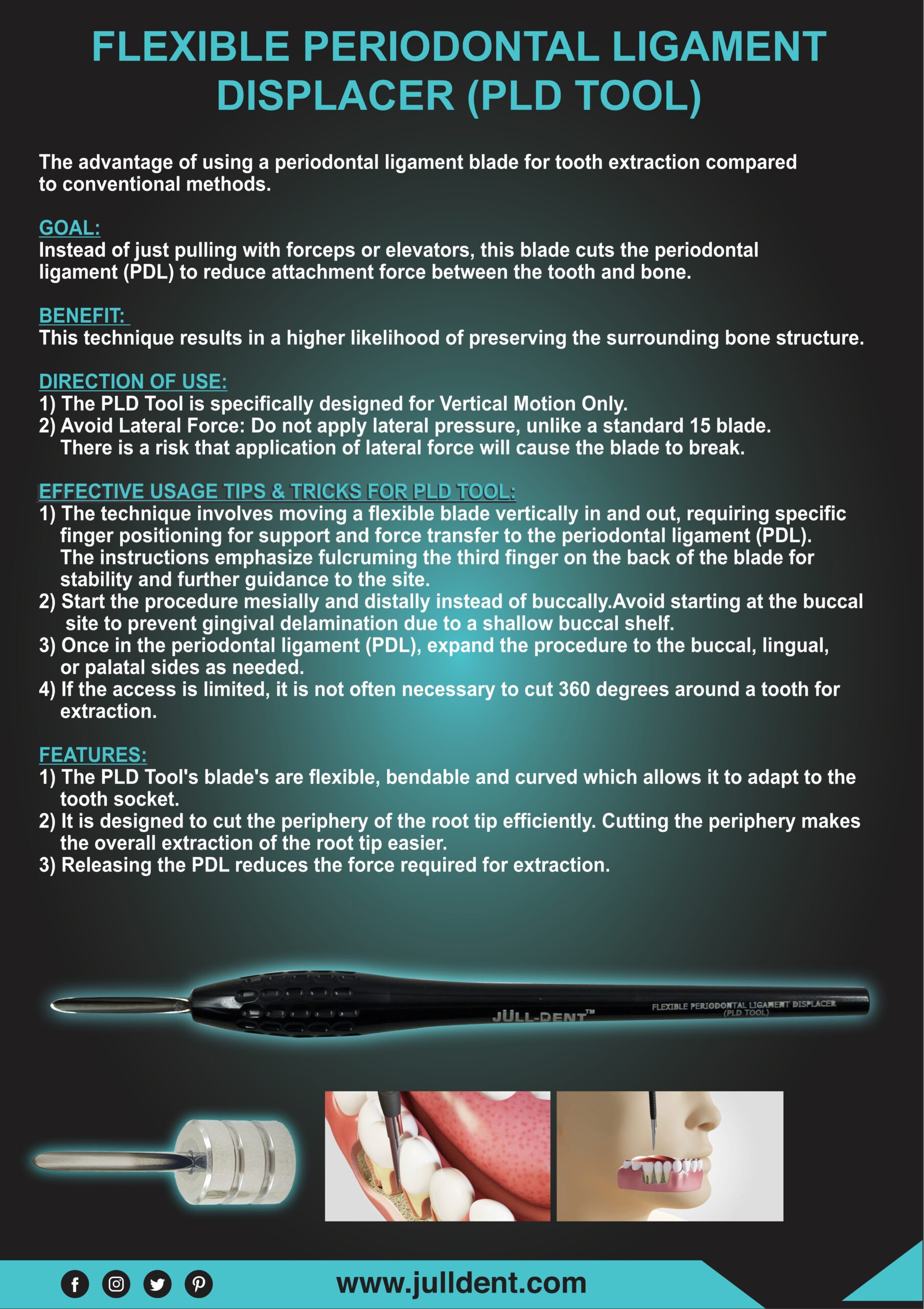
The advantage of using a periodontal ligament blade for tooth extraction compared to conventional methods.
Goal:
Instead of just pulling with forceps or elevators, this blade cuts the periodontal ligament (PDL) to reduce attachment force between the tooth and bone.
Benefits:
This technique results in a higher likelihood of preserving the surrounding bone structure.
Directions of use:
1) The PLD Tool is specifically designed for Vertical Motion Only.
2) Avoid Lateral Force: Do not apply lateral pressure, unlike a standard 15 blade. There is a risk that application of lateral force will cause the blade to break.
Effective usage tips & tricks for PLD Tool:
1) The technique involves moving a flexible blade vertically in and out, requiring specific finger positioning for support and force transfer to the periodontal ligament (PDL). The instructions emphasize fulcruming the third finger on the back of the blade for
stability and further guidance to the site.
2) Start the procedure mesially and distally instead of buccally. Avoid starting at the buccal site to prevent gingival delamination due to a shallow buccal shelf.
3) Once in the periodontal ligament (PDL), expand the procedure to the buccal, lingual, or palatal sides as needed.
4) If the access is limited, it is not often necessary to cut 360 degrees around a tooth for extraction.
Features:
1) The PLD Tool’s blade’s are flexible, bendable and curved which allows it to adapt to the tooth socket.
2) It is designed to cut the periphery of the root tip efficiently. Cutting the periphery makes the overall extraction of the root tip easier.
3) Releasing the PDL reduces the force required for extraction.
| Types |
|---|
Only logged in customers who have purchased this product may leave a review.
Reviews
There are no reviews yet.